


What results in hair loss and what can we do about it?
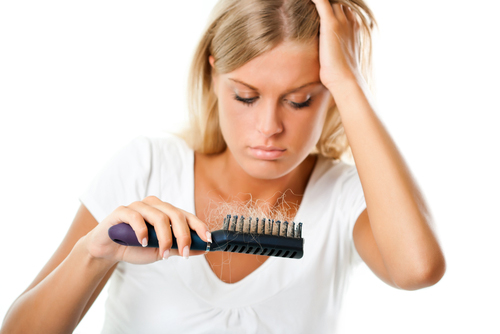
Our hair is a living garden. It can thrive in optimum conditions and can wither in unfavorable ones. It can reflect the health of our body and the conditions of the environment around us. It grows in response to nutrients we consume and to the elements it is exposed to. It is an ‘antenna’, a connection to the energy forces of the world. Over-washing, chemical styling and blow drying can strip the natural oils from hair, leaving it dry, unhealthy and more prone to falling out. Environmental toxins and imbalance & illness in the body can also contribute to unhealthy hair and excessive hair loss. Genetics and hormones play their part as well.
Hair loss is a common condition and can affect many people at some time in their lives. It is normal to shed 150 hairs a day. Sometimes hair may simply thin as a result of predetermined genetic factors and the overall aging process. Many men and women may notice mild thinning of hair starting in their 30s and 40s. Sometimes the amount of hair loss may be increased by various stresses on the body. Physical stress such as illness, a lack of protein, and hormonal changes like those in pregnancy, puberty, and menopause may cause a reversible hair loss. Other factors to consider are shock, emotional stress, damage to the skin such as burns, infection or radiation, an excess of Vitamin A, skin cancer, chemotherapy, hypothyroidism, or by a sluggish or toxic liver and kidneys.
Several health conditions, including thyroid disease and iron deficiency anemia, can cause hair loss. It is important to exclude underlying causes in sudden or severe hair loss. Medical health screening will include blood work to determine if hypothyroidism is a concern or if there is an imbalance to body’s hormonal and vitamin levels.






 Hanna advocated the use of herbs and foods to heal our bodies or alleviate unwanted symptoms and left a treasure of information to guide us along the way. We’ve compiled some of our favorites for women’s health here. Did you know there’s one herbal combination for women she recommended more than any other? How about what you should drink to alleviate hot flashes, menstrual cramps, or if you’re pregnant? Check out Hanna’s favorite herbs and herbal remedies for women here!
 Did you know your body is covered in tiny fungal ecosystems? True and completely normal and natural though that doesn’t change the fact that it’s a bit creepy. The presence of fungus in and on the body is kept in check through our body’s healthy antibodies and bacteria though sometimes the balance is tipped towards the fungus and an infection can result. You’re probably aware of the usual suspects: Athlete’s foot, jock itch, yeast infections, or diaper rash and cradle cap but what about the maladies that result from fungus overstaying its welcome and overtaking our healthy bodies? Keeping fungus in check and ridding our systems of the toxins resulting from fungus is a topic Hanna discussed extensively and while that image to the left looks lovely, it’s actually fungus that lives on our skin and nails… read on for Hanna’s tips and remedies!



 Experiencing the symptoms of estrogen deficiency and want a natural way to find balance? We’ve got you covered. Menopause is often referred to as “the big change” and that’s for a BIG reason. Hot flashes, night sweats, depression, insomnia, decreased libido and fatigue are only a sampling of the common complaints from women who are entering menopause. These symptoms are greatly due to the fact that there is a hormonal imbalance in the body, namely estrogen. Menopausal difficulties are a reality that women have been aware of for centuries! In ancient China, menopausal women would drink the urine of pregnant women to treat their symptoms as the concentration of estrogen in the urine was so high. Thank goodness we have moved on from this ancient practice and now know there are easier (and perhaps more appetizing) ways to treat hormonal imbalances.